

Image Description: SCD waffles made with almond flour and wildflower honey.
Living with Inflammatory Bowel Disease (IBD), whether it's Crohn's disease or ulcerative colitis, presents unique daily challenges. Beyond medication and medical procedures, many individuals find that what they eat significantly impacts their symptoms and overall well-being. While not a cure, dietary intervention, often through specific therapeutic diets, has emerged as a powerful tool in managing IBD, helping to reduce inflammation, improve gut health, and enhance quality of life.
However, embarking on a therapeutic diet journey can feel daunting. The rules can be complex, restrictions significant, and tracking progress demanding. At Meadow Mentor, we understand these hurdles. We believe that with the right knowledge and support, harnessing the power of diet for IBD management is achievable. This post explores some key therapeutic diets often considered for IBD and discusses how technology can significantly ease the path forward.
Why Does Diet Matter So Much in IBD?
The connection between diet and IBD is multi-faceted, centering primarily on inflammation and gut health:
Inflammation Modulation: IBD is characterized by chronic inflammation of the digestive tract. Certain foods can potentially exacerbate this inflammation, while others possess anti-inflammatory properties that may help soothe the gut.
Gut Microbiome Interaction: The trillions of bacteria residing in our gut play a crucial role in digestion, immunity, and inflammation. Diet profoundly influences the composition and balance of this microbiome. Some therapeutic diets aim to shift this balance, favouring beneficial bacteria and reducing those potentially linked to inflammation or fermentation issues that cause symptoms.
Gut Lining Integrity: The intestinal lining acts as a barrier. In IBD, this barrier can become compromised ("leaky gut"), allowing substances to pass through that trigger immune responses and inflammation. Certain dietary approaches focus on removing irritants and providing nutrients thought to support gut lining repair.
Nutrient Absorption: Chronic inflammation and damage can impair the absorption of essential nutrients. Diet plays a critical role in ensuring adequate intake and choosing foods that are easier to digest and absorb.
Symptom Triggers: Specific foods or food components (like certain carbohydrates, fats, or additives) can directly trigger symptoms like pain, bloating, diarrhea, or urgency in some individuals with IBD. Therapeutic diets often work by systematically eliminating common triggers.
Understanding these connections highlights why dietary changes can be so impactful for managing IBD symptoms and potentially influencing the disease course alongside conventional medical treatment.
Exploring Therapeutic Diets Relevant to IBD Management
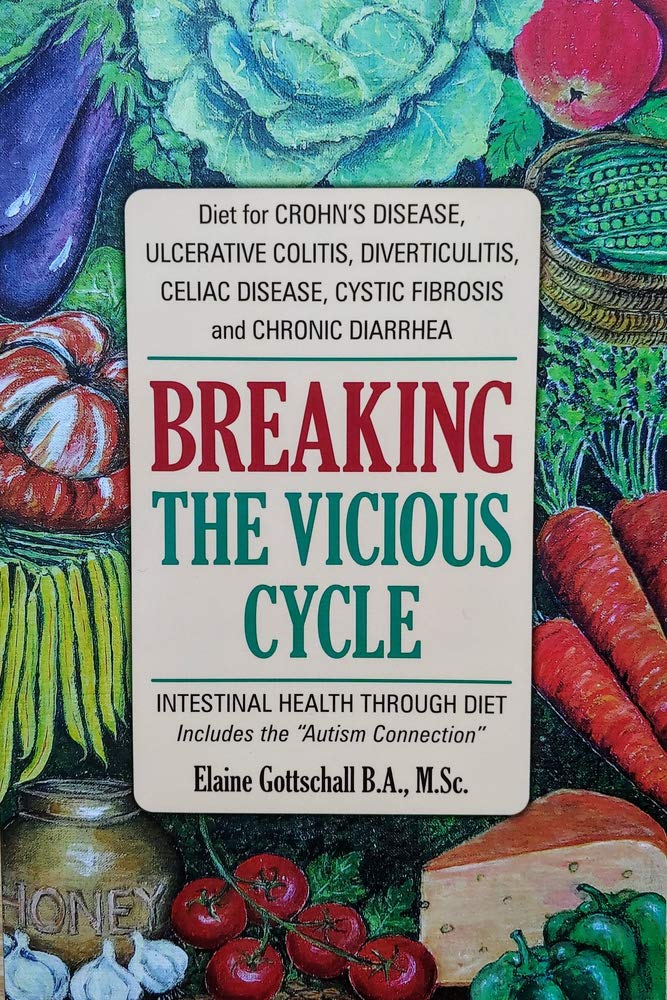
Several therapeutic diets have gained attention for their potential benefits in IBD. It's crucial to remember that individual responses vary greatly, and what works for one person may not work for another. Consulting with a healthcare professional or registered dietitian knowledgeable in IBD is paramount before making significant dietary changes.
Here are some diets often discussed in the context of IBD, several of which are supported within the Meadow Mentor app:
Specific Carbohydrate Diet (SCD):
- Core Principles: Eliminates complex carbohydrates (disaccharides and polysaccharides) like grains, lactose, sucrose (table sugar), and starchy vegetables. It allows monosaccharides (simple sugars like glucose, fructose found in fruits, honey, and certain vegetables), meats, fats, and specific low-lactose dairy (like aged cheese and homemade 24-hour fermented yogurt).
- How it Might Help IBD: The theory posits that complex carbohydrates are poorly digested by the inflamed gut, feeding harmful bacteria that produce irritating byproducts, thus perpetuating inflammation. By restricting these carbs, SCD aims to starve these bacteria, reduce fermentation and inflammation, and promote gut healing.
- Relevance: SCD has a long history of anecdotal success and growing research interest specifically for IBD management.
Gut and Psychology Syndrome (GAPS) Diet:
- Core Principles: Similar to SCD in restricting complex carbohydrates, but with a structured introductory phase focusing heavily on gut-healing foods like bone broths, soups, and fermented foods. It emphasizes nutrient density and detoxification.
- How it Might Help IBD: Shares the carbohydrate restriction theory with SCD but adds a stronger focus on actively healing the gut lining and re-establishing a healthy microbiome through specific food introductions.
- Relevance: Often considered by those looking for a structured, gut-healing focused approach, sharing many principles with SCD relevant to IBD.
Paleo Autoimmune Protocol (Paleo AIP):
- Core Principles: Starts with a base Paleo diet (eliminating grains, legumes, dairy, refined sugars, processed foods) and further eliminates foods considered potential immune triggers, including eggs, nuts, seeds, nightshade vegetables (tomatoes, peppers, eggplant, potatoes), alcohol, and certain food additives. It involves an elimination phase followed by careful reintroduction to identify personal triggers.
- How it Might Help IBD: Focuses on reducing systemic inflammation and removing potential dietary triggers for autoimmunity, which is relevant given the immune system's role in IBD. It emphasizes nutrient-dense whole foods to support healing.
- Relevance: Useful for individuals suspecting specific food sensitivities beyond carbohydrates or those looking for a broader anti-inflammatory, nutrient-dense approach common in autoimmune condition management.
Mediterranean Diet:
- Core Principles: Emphasizes fruits, vegetables, whole grains (often modified for IBD to exclude gluten or specific grains), legumes (may need modification for IBD), nuts, seeds, olive oil, fish, and moderate amounts of poultry and dairy. Limits red meat and processed foods.
- How it Might Help IBD: Rich in anti-inflammatory compounds like omega-3 fatty acids (from fish and olive oil) and antioxidants (from fruits and vegetables). Its high fiber content (may need adjusting during flares) supports a healthy microbiome.
- Relevance: Generally considered a healthy, sustainable pattern. While less restrictive, its anti-inflammatory focus makes it a potentially beneficial baseline or maintenance diet for some with IBD, possibly requiring modifications based on individual tolerance.
Ketogenic Diet (Keto):
- Core Principles: Very low carbohydrate, moderate protein, high-fat diet. Forces the body to burn fat for fuel (ketosis) instead of glucose.
- How it Might Help IBD: Some research suggests ketosis may have anti-inflammatory effects and could alter the gut microbiome. The strict carbohydrate restriction might also reduce fermentation-related symptoms for some.
- Relevance & Caveats: Keto is highly restrictive and its long-term effects and specific benefits for IBD are still under investigation. It can be challenging to maintain adequate fiber intake and nutrient variety. Due to its restrictive nature and potential impact on metabolism, adopting a ketogenic diet, especially with a condition like IBD, absolutely requires guidance and supervision from a qualified healthcare professional.
Other relevant dietary strategies supported by Meadow Mentor include Gluten-Free, Dairy-Free, and Nut-Free approaches, which are often components of the diets above or used independently based on identified sensitivities.

Enjoying this article?
Every Sunday get new blog articles, recipes, and tips from Chef Kay on how to thrive, one meal at a time.
The Reality: Navigating the Challenges of Therapeutic Diets
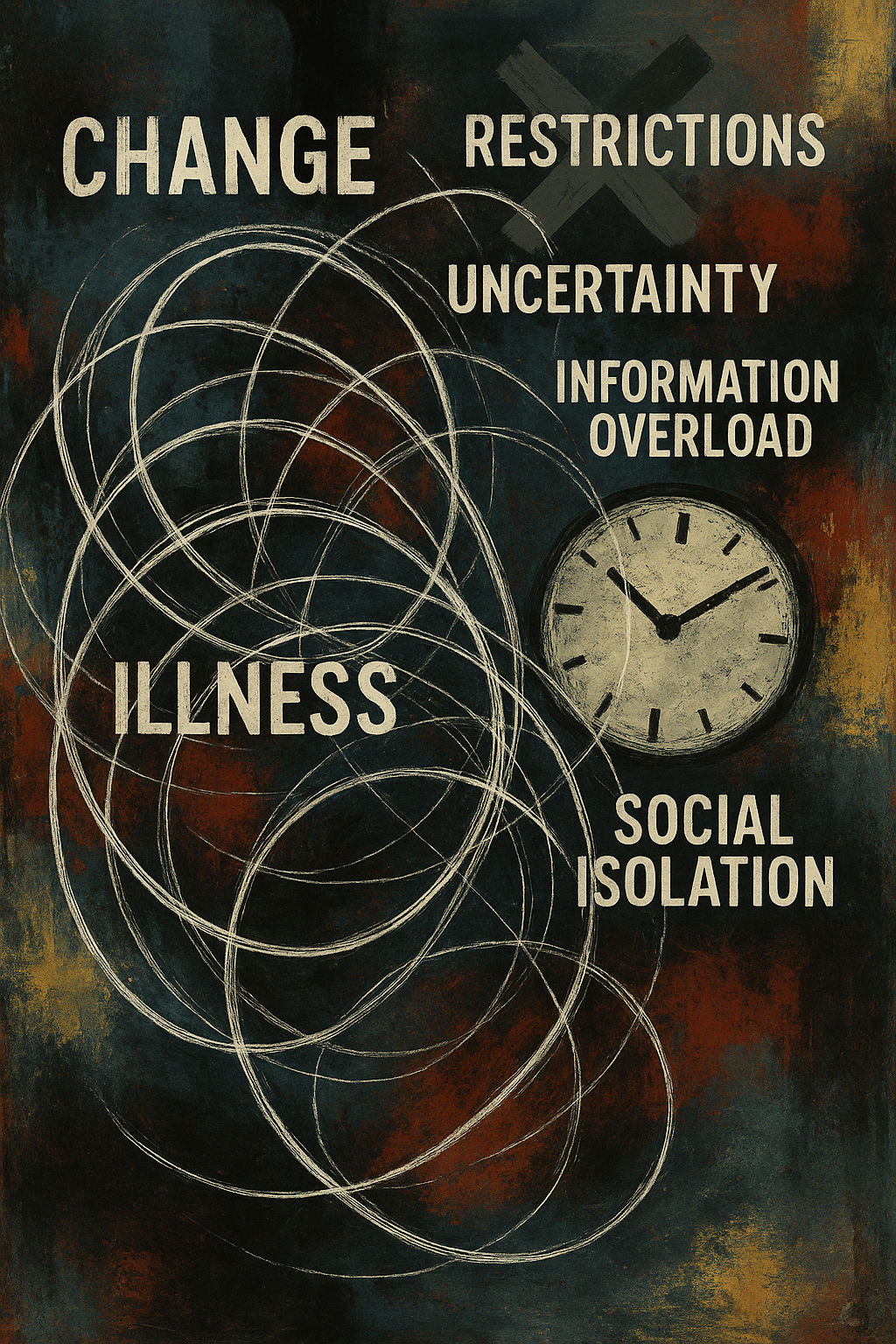
While promising, adopting and sticking to these diets isn't easy. Common hurdles include:
- Complexity: Understanding the allowed/disallowed foods lists can be overwhelming.
- Restriction: Giving up familiar foods can be difficult emotionally and socially.
- Time Commitment: Planning, shopping, and preparing compliant meals takes significant effort.
- Information Overload: Finding accurate, reliable information specific to your diet and condition can be tough.
- Label Reading: Identifying hidden non-compliant ingredients requires diligence.
- Tracking & Analysis: Understanding how specific meals affect symptoms requires careful logging and interpretation.
- Eating Out & Social Situations: Navigating meals outside the home can be stressful.
These challenges can lead to frustration and make adherence feel impossible, potentially undermining the potential benefits of the diet.
Bridging the Gap: How Meadow Mentor Empowers Your Dietary Journey
This is precisely where technology, thoughtfully applied, can make a world of difference. Meadow Mentor is designed specifically to address these challenges, leveraging AI, robust databases, and an effortless user experience to support your therapeutic diet adherence for IBD.
Here's how our features directly tackle the hurdles:
Overcoming Complexity & Restriction:
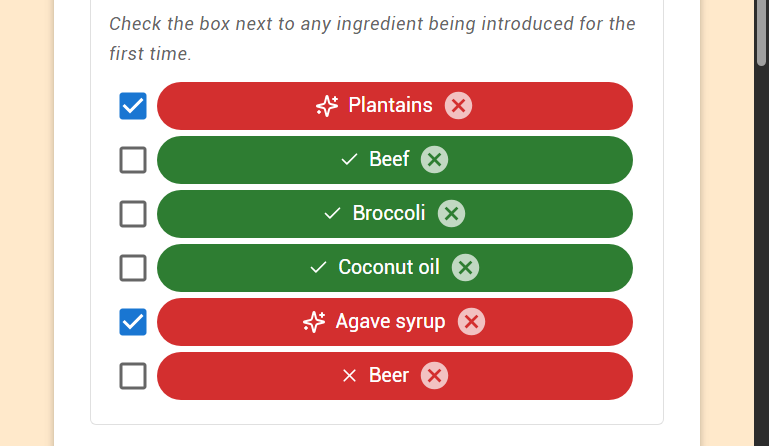
- Food Journal with Instant Scoring: Simply log your meals, and Meadow Mentor instantly tells you if it complies with your chosen therapeutic diet (SCD, GAPS, Paleo AIP, Mediterranean, Keto, etc.). No more constant cross-referencing of confusing food lists. Our database of foods and their compliance status provides immediate clarity.
- AI Q&A: Have a specific question about your diet? ("Can I have almond flour on SCD?", "Is this ingredient AIP compliant?") Ask our AI assistant for quick, context-aware answers based on established dietary guidelines.
Easing the Time Commitment:
- AI Recipe Generation: Stuck for compliant meal ideas? Provide a list of ingredients you have on hand, and our AI generates recipes that fit your specific therapeutic diet.
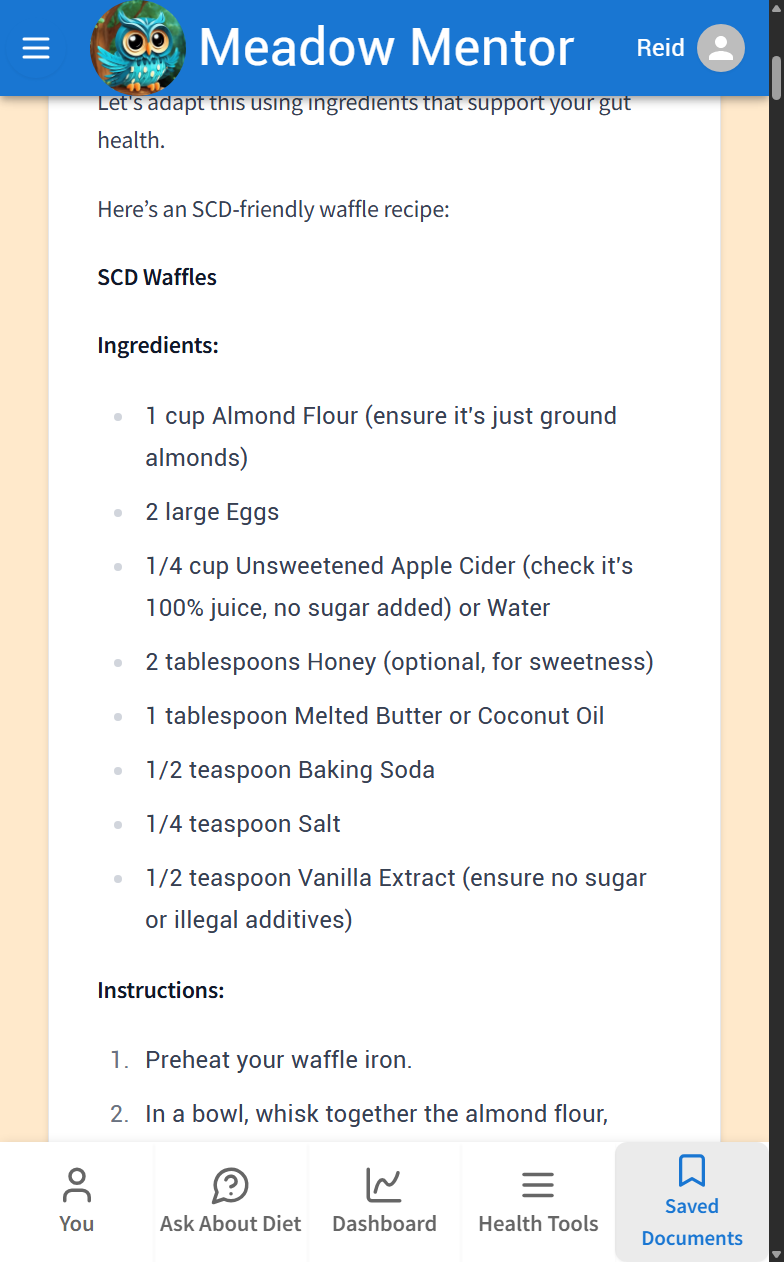
- AI Meal Conversion: Found a recipe you love but it's not compliant? Our AI can adapt it to fit your dietary needs, suggesting appropriate substitutions.
- Saved AI Responses: Keep track of your favorite generated recipes, meal plans, or insightful Q&A answers for easy future reference.
Simplifying Information & Label Reading:
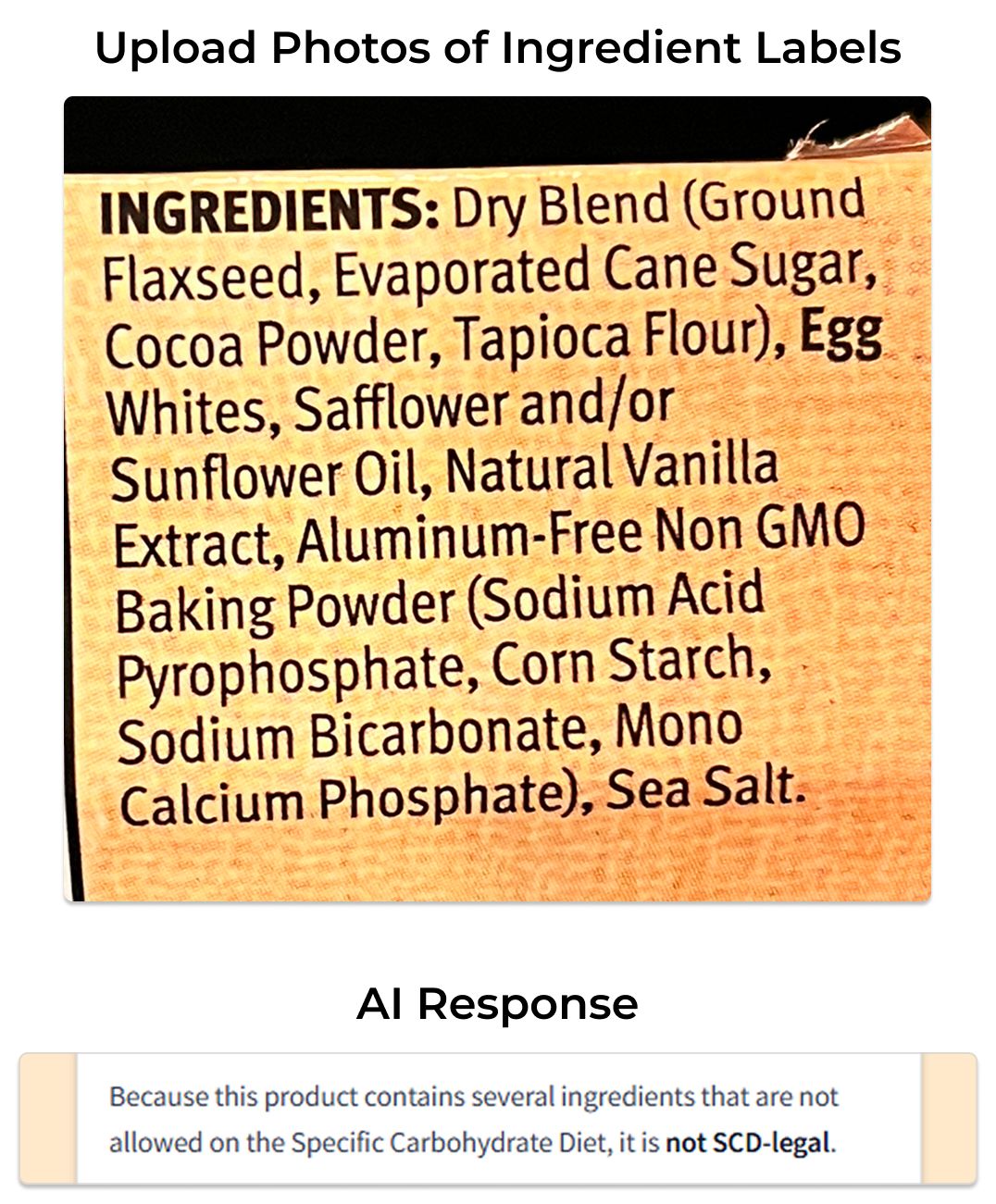
- AI Ingredient Label Analysis: Uncertain about a packaged food? Snap a photo of the ingredient label or paste the text, and our AI analyzes it for compliance with your diet, flagging potentially problematic ingredients.
- Database-Driven Compliance: Our features are powered by comprehensive databases detailing food components and their status across various therapeutic diets, ensuring reliable information.
Enhancing Tracking & Understanding:
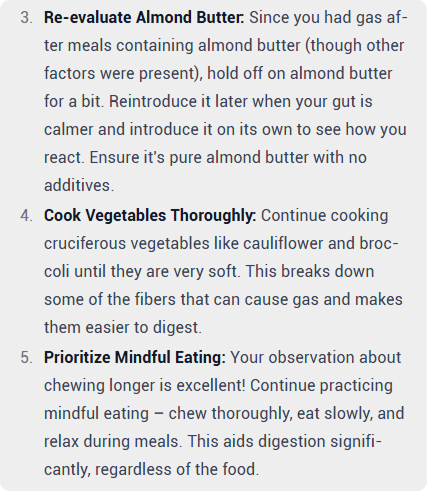
- AI Meal History Analysis: Go beyond simple logging. Our AI analyzes your past meal entries and symptom patterns (if logged) to provide actionable insights. It might identify potential trigger foods or suggest dietary adjustments based on your unique history, leveraging Machine Learning (ML) to spot correlations.
Meadow Mentor integrates Artificial Intelligence (AI) and Machine Learning (ML) not just as buzzwords, but as practical tools to automate tedious tasks, provide personalized insights, and reduce the mental load of managing a complex therapeutic diet. Combined with an effortless User Experience (UX) built on modern technologies (React, Tailwind, Material UI) and backed by a reliable infrastructure (Firebase, MongoDB, Google Cloud Run), our goal is to make dietary management less stressful and more effective, empowering you to focus on your health.
The Journey Forward: Hope and Support

Therapeutic diets hold significant potential as part of a comprehensive management plan for Crohn's disease and ulcerative colitis. While the path requires commitment and can feel complex, it doesn't have to be navigated alone or with unnecessary friction.
Understanding the principles behind these diets, acknowledging the challenges, and leveraging supportive tools can make adherence sustainable and unlock the potential benefits for your gut health and overall well-being. Meadow Mentor is here to be your intelligent, supportive companion on this journey, simplifying the complexities so you can focus on healing and living well.
Sign up today for your free account.
Resources
- Official site of the Specific Carbohydrate Diet
- Official site of the Gut and Psychology Syndrome
- Information about Paleo AIP
- Information about Mediterranean Diet
- Information about Ketogenic Diet
----
Disclaimer: The information provided in this blog post is for informational purposes only and does not constitute medical advice. Always consult with a qualified healthcare professional, such as a doctor or registered dietitian specializing in IBD, before making any significant changes to your diet or treatment plan. Individual dietary needs and responses can vary greatly.

About Reid Kimball
Founder & Builder
Reid has been navigating life with Crohn’s Disease for over 20 years. After discovering the transformative power of the Specific Carbohydrate Diet (SCD) and GAPS, he went from overwhelmed to thriving. He knows how heavy the mental load of meal planning can be. Reid built Meadow Mentor to be the "in-home chef" he wished he had when first diagnosed: a tool to help you navigate therapeutic diets with clarity, confidence, and joy.