
The Sacred Ecosystem: Why Gut Health is the Ultimate Act of Stewardship
March 25, 2026
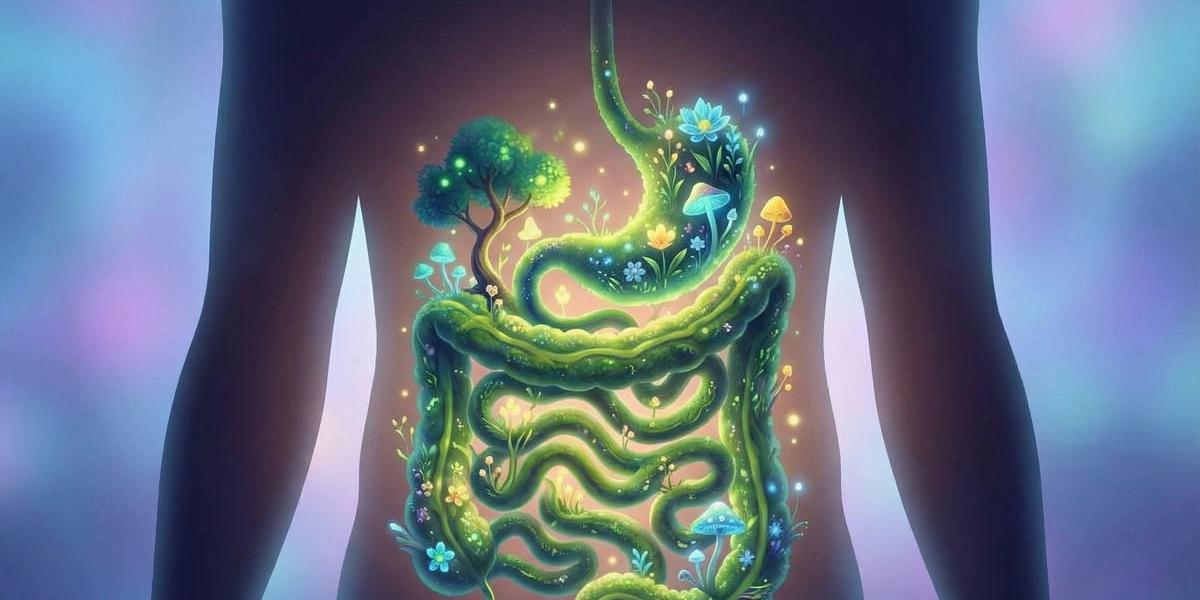
In the Christian faith, we are taught that God created everything: the universe, the stars, the earth, physics, math, emotions, and all life. Within this grand design, humanity was created to be stewards of His creations.
Some people feel called to become stewards of the natural environment, while others focus on stewarding the next generation. But there is one area of stewardship I believe is foundational to all the others, yet frequently overlooked: the stewardship of your own gut health.
Your gut is the physical foundation of your life. Much like the safety briefing on an airplane, you are required to secure your own oxygen mask before helping others. If you don't have your health, life doesn’t become impossible, but it certainly becomes much more difficult to achieve your goals, fulfill your purpose, and serve those around you.
I argue that to live your life to its absolute fullest potential, you must focus on the good stewardship of your gut first.
I didn't always know this. I was diagnosed with Crohn's disease when I was 17 years old. It wasn't until I discovered the Specific Carbohydrate Diet at age 24 that I finally began to understand the profound importance of the gut. It's been a long journey, over 20 years of trials and triumphs as I learned how to take care of my gut health. Now, I want to share what I’ve learned about what it actually means to be a good steward of your body, so you can live a life of true vitality.
It Starts in the Heart
First, you must change your mindset. You have to fully commit, deep down in your heart, that you want to change. Without a deep conviction guiding your behavior, changing how you eat becomes just another fad that quickly dies. It is not always easy to make choices that go against social norms or family traditions, so you need a personal belief system that will carry you through moments of loneliness.
Start somewhere—anywhere—and abandon the need for perfection. Changing your lifestyle can feel overwhelming, but the good news is there is no pass/fail grade. Any change toward a healthier gut is a step in the right direction. Focus on the process of gut health, not a final destination. Treat yourself with loving kindness, and make the best decisions you can, when you can.
Here is what that process looks like in daily life:
Pillar 1: The Ritual of Eating
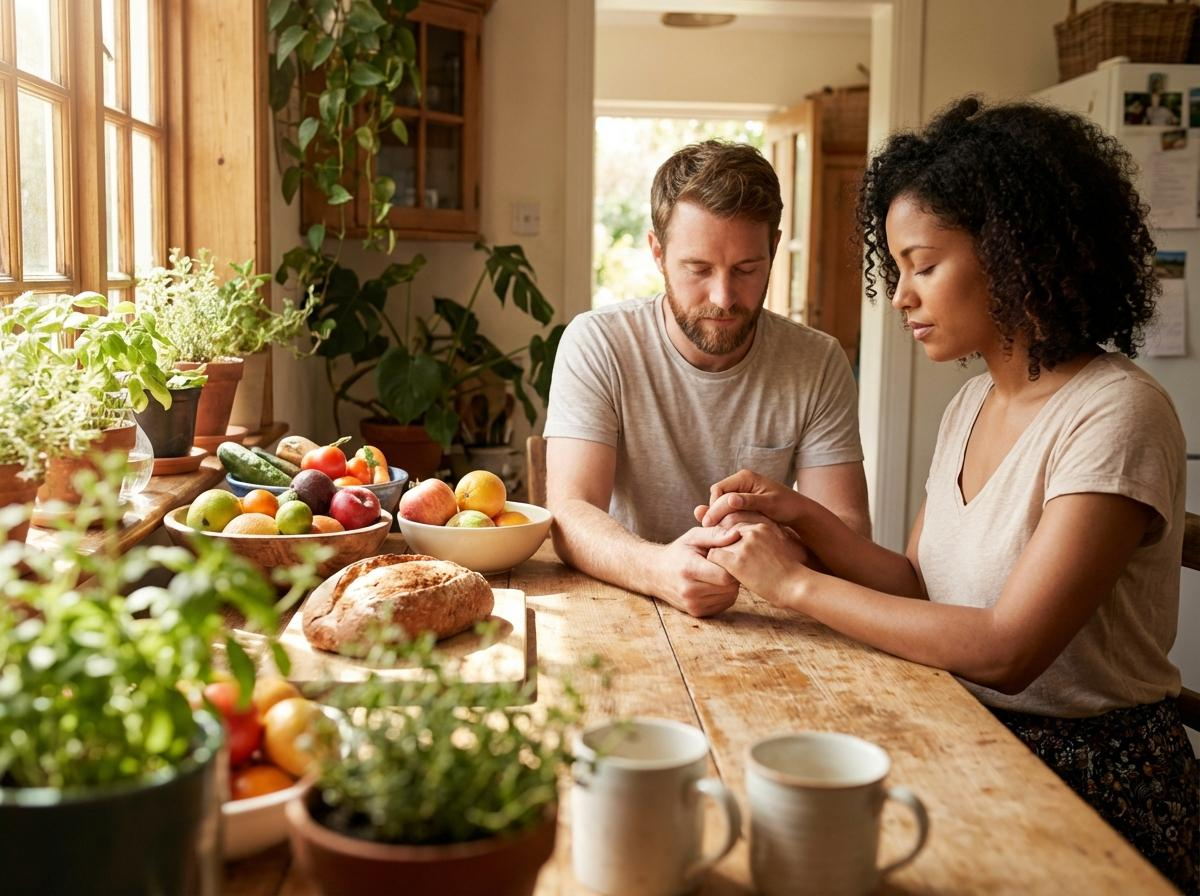
- Give thanks: Whether you pray or have a mindfulness practice, give thanks for the food in front of you. When you thank your food for how it fuels you, you become deeply aware of what you are putting into your body. Would you feel just as good giving thanks for a donut as you would a sweet potato?
- Slow down: Try to stretch your meals over at least 20 minutes. When we eat in front of a screen, we eat mindlessly. When you eat slowly—perhaps while reading a book or talking with family—you give your gut the time it needs to signal your brain that you are full.
- Chew thoroughly: Digestion begins in the mouth. The more you break down your food, the more surface area you create for your body's enzymes and microbes to extract usable, life-giving nutrients.
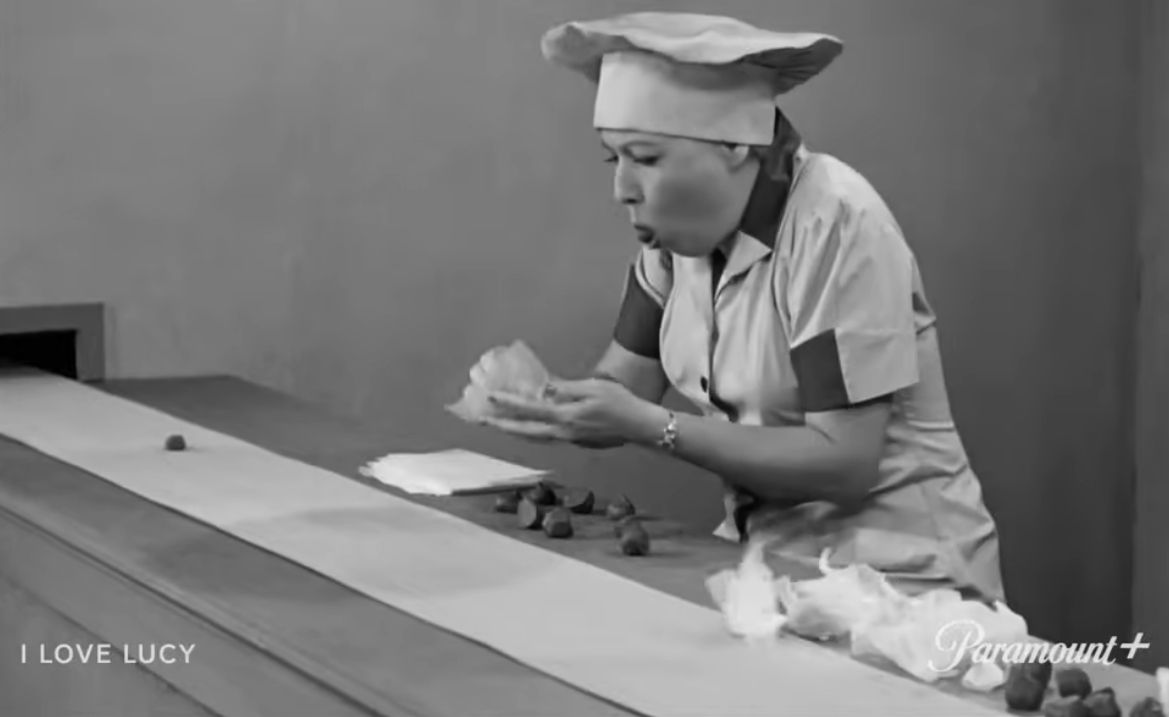
- Stop before you're stuffed: Eat until you are slightly below full. Imagine a scene from I Love Lucy where all the chocolates are racing down the conveyor belt and the workers can't keep up. That is your digestive system when you overeat. Chain reactions happen, and it takes time to clean up the mess.
- Separate liquids and solids: Avoid drinking large amounts of water or liquids with your meals. Your stomach acid is vital for breaking down food, and excess liquid dilutes it. Try to hydrate well, but stop 30 minutes before a meal.
Pillar 2: Sourcing and Preparing Your Fuel
- Shop the perimeter: The easiest way to make good choices at the grocery store is to stay on the outer edges. That's where the fresh vegetables, fruits, meats, and dairy live. The center aisles are largely filled with processed foods, hidden sugars, and harmful dyes.
- Choose whole, well-raised foods: To the best of your physical and financial ability, choose natural ingredients. Foods free from harsh chemicals and animals raised in safe, natural environments provide superior nourishment.
- Embrace simple home cooking: You don’t need to be a 5-star chef. Today, I might just boil frozen organic vegetables and roast a whole chicken to eat throughout the week. It’s simple, affordable, not time-consuming, and it keeps my gut happy.
- Swap, don't just drop: Don't quit a food without thoughtfully replacing it. Quitting bread might lead you to reach for a highly processed gluten-free alternative. Instead, get creative! Use a portobello mushroom or a crisp lettuce leaf as a wrap.
- Use fermented foods as medicine: Homemade fermented foods are incredibly powerful probiotics. Beet kvass is simple to make and deeply healing. From there, try sauerkraut or homemade yogurt. (Store-bought versions often contain added sugar and lack full probiotic potency).
Pillar 3: Honoring Your Unique Body
- Experiment with grace: Find what works for you. To this day, I have difficulty digesting nuts, so I rarely eat them. That's okay! We all have healthy foods our specific bodies can't tolerate.
- Combine medicine and diet if needed: If you have a serious gastrointestinal condition, work with a health professional to stabilize your health so you can then use diet to heal the root causes.
- Choose a protocol that guides you: If it helps, follow a roadmap. The Mediterranean diet is highly studied and accessible. For therapeutic needs, explore protocols like the Specific Carbohydrate Diet (SCD), Gut and Psychology Syndrome (GAPS), or Paleo AIP.
- Never judge: Do not compare your health journey to someone else's. You don't know what they’ve been through, and sometimes circumstances beyond our control dictate our access to food. We must accept that everyone is doing their best with what they have.
Pillar 4: Lifestyle as Nourishment
- Protect your sleep: Go to bed early and get 8 to 9 hours of rest. A rested mind is equipped to make good, nourishing decisions rather than impulsive, harmful ones.
- Move your body: Exercise clears mental stress. The brain and the gut are intimately connected; when you relieve stress in your mind, your digestion physically improves.
- Find your people: Changing your lifestyle is so much easier in community. Join a group of people following a similar path. You will need support, and you will find immense joy in supporting others.
The Ripple Effect
I have spent years managing my Crohn's disease through diet. It hasn't always been easy, but it has been deeply rewarding.
The last thing I want to do is encourage you to share your journey and invite others to join you. Because when we become stewards of our physical bodies, a beautiful ripple effect occurs.
When we focus on gut health, we are stewarding our foundational health.
When we focus on gut health, we pay more attention to how farmers take care of the land.
When we focus on gut health, we care more about how animals are treated.
When we focus on gut health, we push back against a culture of never-ending pressure and stress that tells us to constantly perform and consume.
When we focus on gut health, we learn a profound truth: just as medicinal, fermented food is born from cultures of microbes working together in harmony, humanity too can do great things when we build a culture working toward a common good.
I want that common goal to be healing. Let's do this together.

About Reid Kimball
Founder & Builder
Reid has been navigating life with Crohn’s Disease for over 20 years. After discovering the transformative power of the Specific Carbohydrate Diet (SCD) and GAPS, he went from overwhelmed to thriving. He knows how heavy the mental load of meal planning can be. Reid built Meadow Mentor to be the "in-home chef" he wished he had when first diagnosed: a tool to help you navigate therapeutic diets with clarity, confidence, and joy.