
The IBD and Diet Connection: Science vs. Skepticism
May 11, 2025
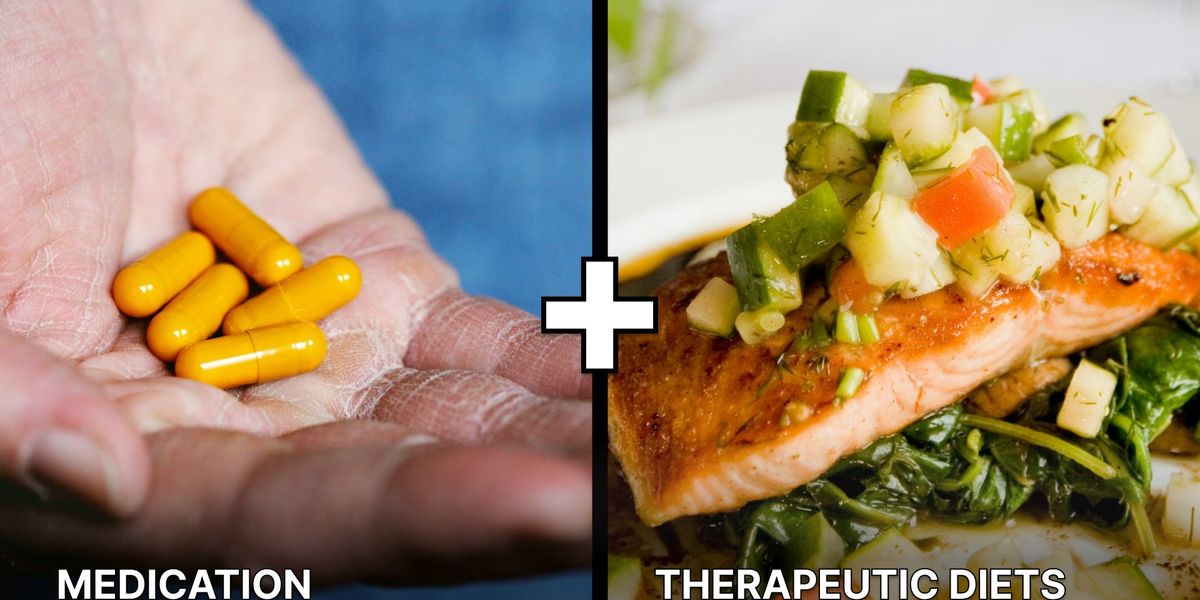
If you're living with Inflammatory Bowel Disease (IBD), whether it's Crohn's disease or ulcerative colitis, you've likely experienced the frustrating, often debilitating, cycle of flares and remission. You might have also diligently searched for ways to manage your condition, and inevitably, the topic of diet comes up. But what happens when you bring this up with your doctor, only to be told, "Diet doesn't really matter for IBD; just take your medication"?
This is an incredibly common and disheartening experience. You intuitively feel that what you eat impacts your symptoms, yet the medical advice can seem dismissive. You're not alone in this feeling, and more importantly, your intuition is increasingly backed by scientific research and even organizations like the Crohn's & Colitis Foundation (CCFA).
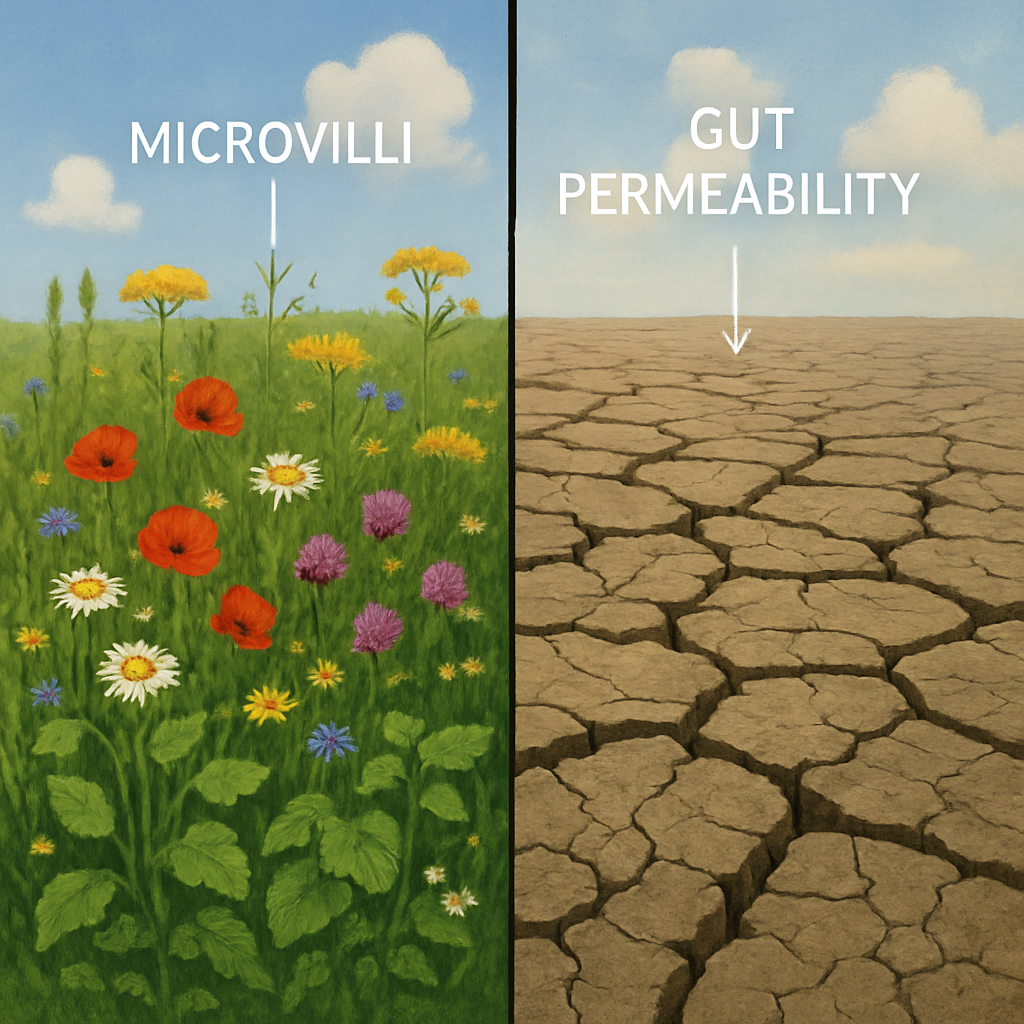
At Meadow Mentor, we understand that your gut is like a meadow: when nurtured, it thrives. But IBD can cause erosion and cracks, much like unhealthy soil. Diet is a fundamental tool in tending to this internal meadow. Let's explore why this disconnect with some medical advice exists and why dietary intervention holds significant promise for managing IBD.
The Historical Disconnect: Why Some Doctors Are Skeptical
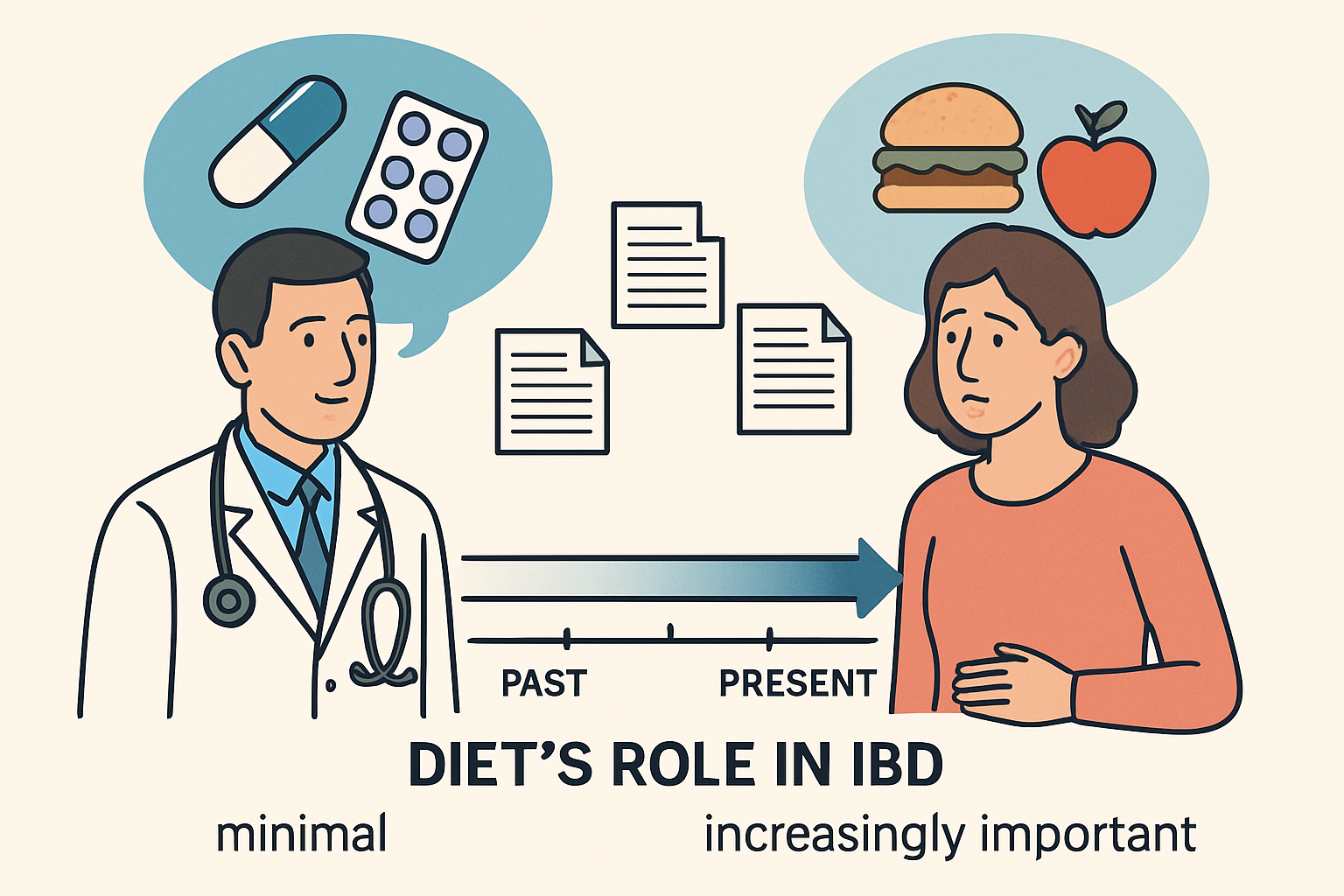
For decades, the primary focus of IBD treatment has been on potent medications like immunosuppressants and biologics. These are often life-changing and essential for controlling severe inflammation. Against this backdrop, diet was often relegated to a secondary concern, with guidance sometimes limited to "eat a balanced diet" or "avoid your trigger foods" – vague advice when you're in the throes of a flare.
Several factors contributed to this:
- Complexity of Dietary Research: Studying diet is challenging. Individual responses to food vary wildly, making it difficult to establish one-size-fits-all dietary guidelines from large-scale studies.
- Focus on Acute Symptom Control: Medical interventions are often geared towards immediate, powerful reduction of inflammation, where drugs show clear efficacy.
- Outdated Information: Medical knowledge evolves, but sometimes older perspectives linger. The nuanced role of diet in modulating the gut microbiome and inflammation is a more recent area of intense research.
It's important to remember that most doctors have your best interests at heart. They rely on established, evidence-based guidelines. However, the evidence base for diet in IBD is rapidly expanding.
The Evolving Science: Diet Does Impact IBD
The gut is a complex ecosystem. In IBD, the immune system mistakenly attacks the gastrointestinal tract, leading to chronic inflammation. This inflammation can damage the delicate lining of your gut – the microvilli – akin to erosion in a meadow. This damage can lead to "leaky gut" or increased intestinal permeability, allowing substances to pass into the bloodstream that shouldn't, potentially triggering further inflammation and systemic issues.
Here's how diet plays a critical role:
- Fueling Inflammation (or Calm): Certain foods can promote inflammation, while others can have anti-inflammatory effects. Processed foods, some additives, and specific types of fats are often implicated in exacerbating inflammation.
- Shaping the Gut Microbiome: Your gut is home to trillions of bacteria. An imbalance in this "gut flora" (dysbiosis) is consistently observed in IBD. Diet is one of the most powerful modulators of your microbiome. Therapeutic diets often aim to starve out harmful bacteria and nourish beneficial ones.
- Nutrient Absorption: Inflammation can impair your body's ability to absorb vital nutrients. A carefully chosen diet can help ensure you're getting what you need, even if absorption is compromised.
- Symptom Triggers: While not the root cause, specific foods can undoubtedly trigger or worsen symptoms like pain, bloating, and diarrhea for many individuals with IBD.
Crucially, the Crohn's & Colitis Foundation (CCFA), a leading voice in IBD research and patient advocacy, now explicitly acknowledges the importance of diet. Their website states, "Living with inflammatory bowel disease (IBD) means paying special attention to what you eat. Eating certain foods can help ease your symptoms, while other things you like to eat may make your symptoms worse."
Their page on therapeutic diets highlights which ones aim to restore the balance of good bacteria to bad bacteria in your gut.
Recent research has shown that those with IBD have different microbiome profiles and may benefit from therapies that improve the gut microbiome (1) (2) (3) (4).
This marks a significant shift and provides powerful validation for patients seeking dietary strategies.

Enjoying this article?
Every Sunday get new blog articles, recipes, and tips from Chef Kay on how to thrive, one meal at a time.
Therapeutic Diets Showing Promise for IBD Management
Recognizing diet's impact is the first step. The next is understanding which dietary approaches might be beneficial. Several therapeutic diets have gained attention for their potential in IBD, many of which aim to reduce inflammation, heal the gut lining, and rebalance the microbiome.
- Mediterranean Diet:
- Core Principles: Emphasizes fruits, vegetables, monounsaturated fats (olive oil), lean proteins, and whole grains. Low in processed foods, sugar, and red meat. Fiber texture (cooked, peeled, blended) is key for IBD tolerance, especially with strictures or flares.
- How it Might Help: Improves gut microbiome diversity and provides anti-inflammatory compounds from plants and healthy fats, reducing overall inflammation.
- Specific Carbohydrate Diet (SCD):
- Core Principles: Removes grains, most sugars (except honey and fruit monosaccharides), starches, and processed foods. It focuses on easily digestible carbohydrates, meats, non-starchy vegetables, fruits, nuts, and certain aged cheeses.
- How it Might Help: The theory is that complex carbohydrates can be poorly digested, feeding harmful bacteria in the gut. By removing these, SCD aims to reduce bacterial overgrowth, decrease the production of irritant byproducts, and allow the gut lining to heal.
- Gut and Psychology Syndrome (GAPS) Diet:
- Core Principles: Similar to SCD, it's an elimination diet focusing on nutrient-dense foods like bone broths, fermented foods, meats, fish, eggs, and non-starchy vegetables. It has a structured introductory phase.
- How it Might Help: Aims to heal and seal the gut lining, reduce "leaky gut," and rebalance gut flora, thereby reducing systemic inflammation.
- Paleo Autoimmune Protocol (AIP):
- Core Principles: An elimination diet that removes grains, legumes, dairy, eggs, nuts, seeds, nightshades, processed foods, and refined sugars. It emphasizes nutrient-dense meats, fish, vegetables, and fruits. After an elimination phase, foods are gradually reintroduced to identify individual triggers.
- How it Might Help: Designed to reduce inflammation and calm the immune system by removing common dietary triggers and focusing on gut-healing, nutrient-rich foods.
Important Caveats: These diets can be highly restrictive and require careful planning to ensure nutritional adequacy. They are best undertaken with guidance from a healthcare professional or a dietitian knowledgeable in IBD and therapeutic diets. If you decide to use them on your own, understand that you may need to modify these therapeutic diets to suit your individual needs. IBD affects everyone differently, and what works for one person may not work for another. Meadow Mentor's AI can help you adapt standard therapeutic diets to address your specific symptoms and food sensitivities.
The Overwhelming Challenge of Dietary Adherence
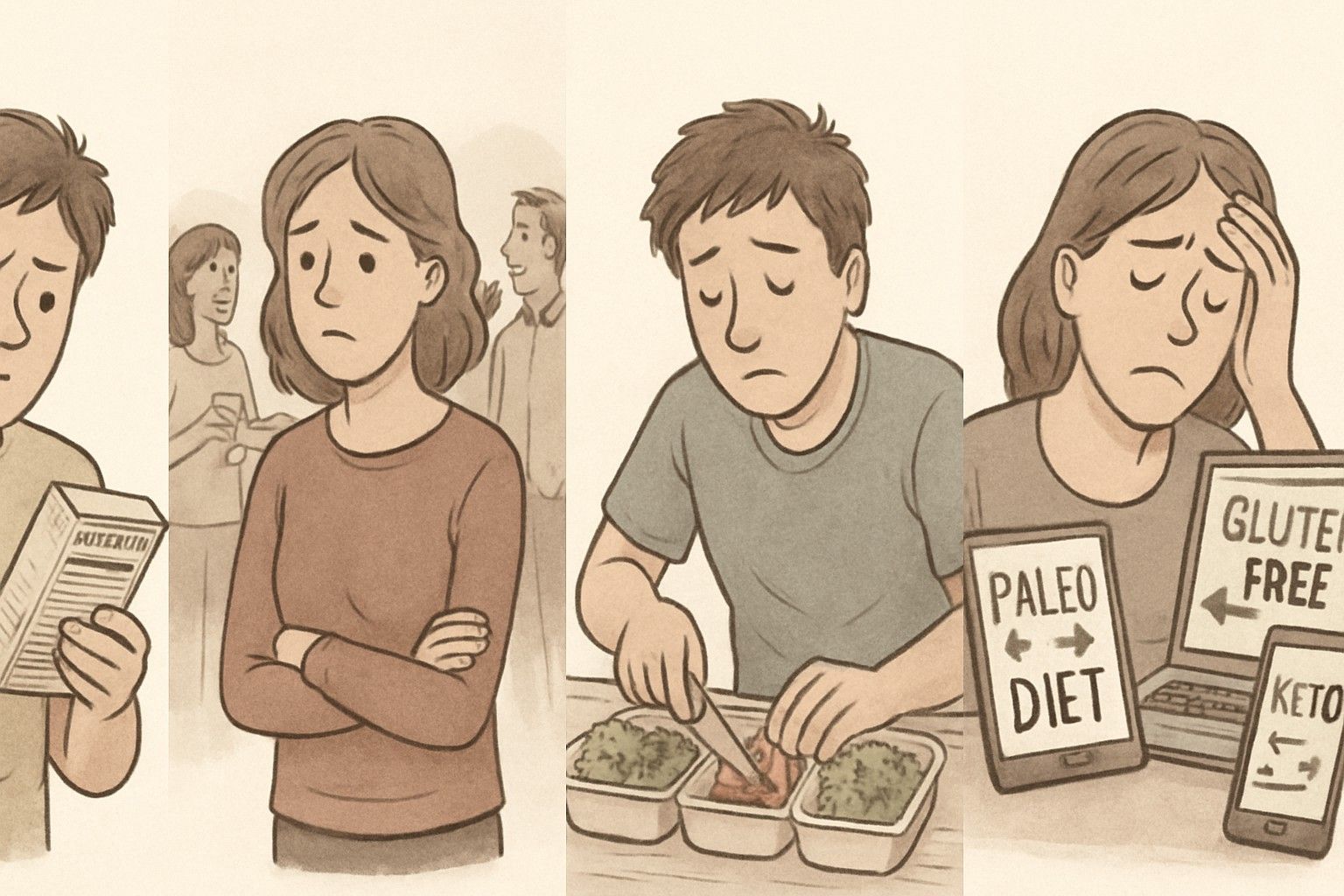
If you've ever attempted one of these diets, you know it's not easy. The challenges are real and can feel immense:
- Complexity and Restrictions: Learning what's allowed and disallowed can feel like studying for an exam.
- Label Reading: Deciphering ingredient lists for hidden non-compliant items is time-consuming and often confusing.
- Meal Planning & Prep: Finding compliant recipes and dedicating time to cooking everything from scratch can be exhausting, especially when you're not feeling well.
- Tracking Intake and Symptoms: How do you know if the diet is working if you're not carefully monitoring your food and how you feel?
- Social Isolation: Eating out or at friends' houses can become a source of anxiety.
- Information Overload (and Misinformation): The internet is full of conflicting advice.
It's no wonder many feel overwhelmed and struggle to stick with a therapeutic diet, even if they believe it could help.
Meadow Mentor: Your Partner in Navigating IBD Diets
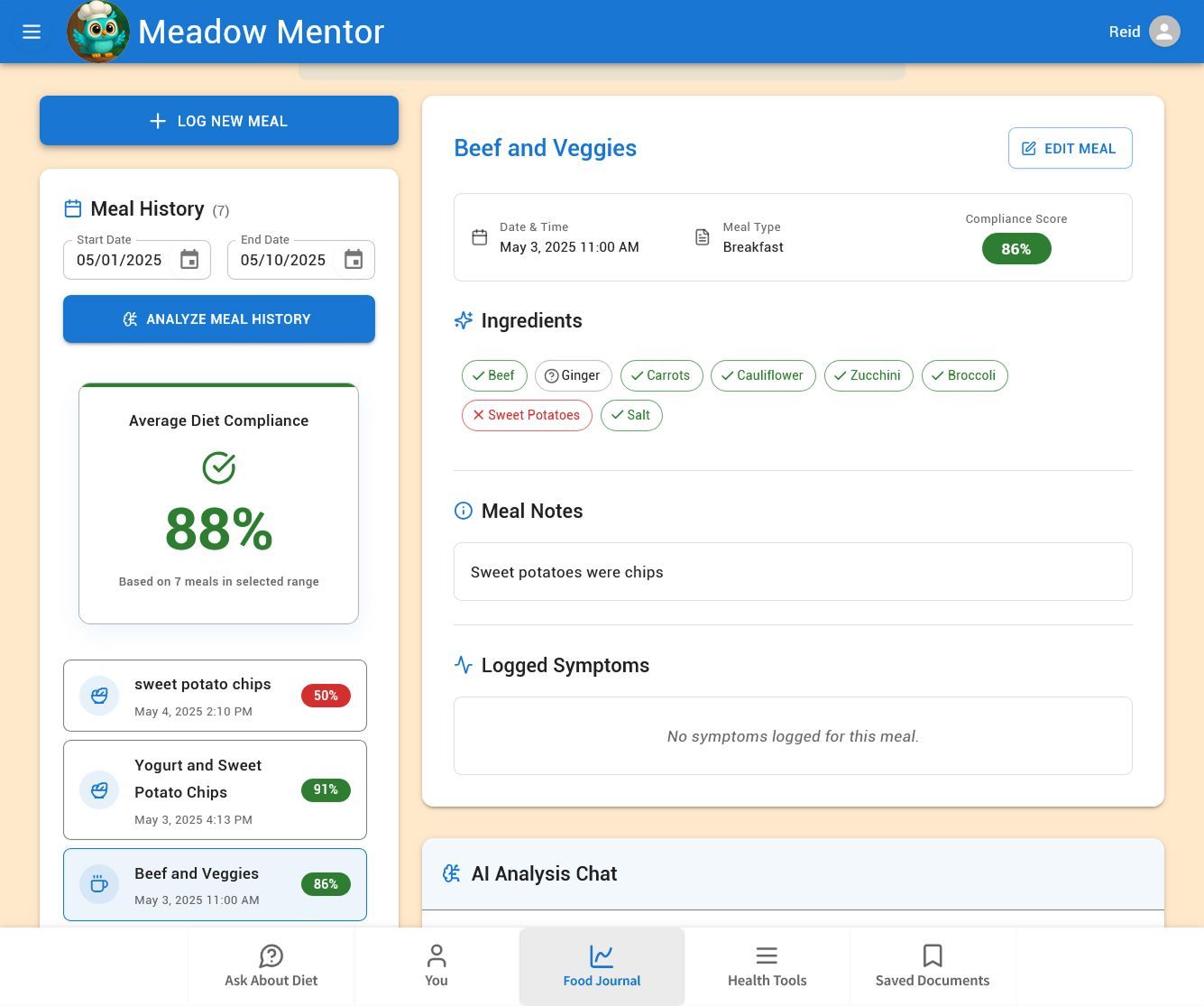
While the path of dietary management for IBD has its hurdles, you don't have to walk it alone. At Meadow Mentor, we've leveraged the power of technology – specifically AI (LLMs & ML) and robust databases, all running on a modern tech stack (React, Firebase, MongoDB, Google Cloud Run) – to create an effortless user experience designed to simplify these complexities.
Here's how Meadow Mentor directly addresses the challenges of therapeutic diets for IBD:
Effortless Food Journaling with Instant Compliance Scores: Forget endless food list lookups. Log your meals in Meadow Mentor, and our system instantly scores them for compliance with your chosen diet (SCD, GAPS, Paleo AIP, and more). You'll see exactly which foods are allowed or disallowed, taking the guesswork out.
AI-Powered Meal History Analysis: Our AI doesn't just store your data; it learns from it. Based on your past journal entries, Meadow Mentor provides actionable advice and insights, helping you identify personal trigger foods or patterns you might have missed.
AI Recipe Generation: Tired of the same old meals? Provide a list of compliant ingredients you have on hand, and our AI will generate new, exciting recipes tailored to your diet.
AI Meal Conversion: Craving a favorite dish that's not on your diet? Our AI can help adapt non-compliant recipes or meals to fit your therapeutic needs, making your diet more enjoyable and sustainable.
AI Q&A for Reliable Diet Information: Have questions about specific ingredients, diet principles, or IBD nutrition? Our AI Q&A feature provides evidence-informed answers, helping you cut through the noise and get reliable information.
AI Ingredient Label Analysis: Simply snap a photo of an ingredient label or paste the text, and our AI will analyze it for compliance with your diet, saving you time and preventing accidental slip-ups.
Save Your Favorites: All AI-generated recipes, meal plans, and important answers can be saved within the app for easy access anytime.
Meadow Mentor is designed to be your intelligent, supportive companion, making adherence to challenging therapeutic diets more manageable and effective. We believe that by simplifying the process, we empower you to harness the healing potential of food.
Advocating for Your Health: The Empowered Patient
Armed with growing scientific evidence, the CCFA's supportive stance, and tools like Meadow Mentor, you can approach conversations with your doctor with more confidence.
- Share Reputable Resources: Consider bringing articles from the CCFA or peer-reviewed studies (if you find accessible ones) to your appointments.
- Focus on Collaboration: Frame dietary changes as a complementary approach you'd like to explore alongside your prescribed medical treatments.
- Track Your Progress: If you decide to try a therapeutic diet (ideally with professional guidance), meticulously track your food intake and symptoms using a tool like Meadow Mentor. Objective data can be very persuasive.
- Seek a Second Opinion: If your doctor remains entirely dismissive and you feel unheard, consider seeking a second opinion from a gastroenterologist or dietitian with more experience in nutritional therapy for IBD.
Cultivating Your Meadow: A Hopeful Path Forward

Living with IBD presents unique challenges, and the journey to finding what works best for you is personal. While medication is often a crucial part of management, the evidence is clear: diet matters. It's a powerful tool you can use to nurture your gut health, reduce inflammation, and improve your quality of life.
The frustration of being told diet doesn't matter, especially when your body is telling you otherwise, is valid. But the landscape is changing. Science is catching up, and resources are becoming available to support your dietary exploration.
With the right information, the right tools like Meadow Mentor, and a proactive approach, you can navigate the complexities of therapeutic diets and take meaningful steps towards cultivating a healthier, more vibrant inner meadow.
Disclaimer: The information provided in this blog post is for educational purposes only and should not be considered medical advice. Always consult with your doctor, gastroenterologist, or a registered dietitian before making any significant changes to your diet or treatment plan, especially when managing a chronic condition like IBD.

About Reid Kimball
Founder & Builder
Reid has been navigating life with Crohn’s Disease for over 20 years. After discovering the transformative power of the Specific Carbohydrate Diet (SCD) and GAPS, he went from overwhelmed to thriving. He knows how heavy the mental load of meal planning can be. Reid built Meadow Mentor to be the "in-home chef" he wished he had when first diagnosed: a tool to help you navigate therapeutic diets with clarity, confidence, and joy.