

"She loves baking. It's her favorite hobby. Sourdough, homemade pizza... all of that seems like it just became impossible."
We recently came across this sentiment in a support community, and it struck a chord. When a partner is diagnosed with Celiac disease, it’s not just a medical diagnosis; it’s a shift in your shared life, your rituals, and sometimes, your identity as a couple. Food is how we celebrate, how we comfort each other, and often, how we spend our quality time.
If your partner has just received a diagnosis, you might be feeling overwhelmed, confused, or even sad about the "loss" of your favorite shared meals. That is completely normal. As your guide for gut health, I’m here to tell you that this isn’t the end of your culinary adventures. It’s just the beginning of a new chapter.
Here is how you can support your partner (and yourself) through this transition, from the practical to the emotional.
1. Validate the Grief
Before you rush to buy every gluten-free flour on the shelf, take a moment. For someone who loves food, especially all the bakers out there, a Celiac diagnosis can feel like losing a best friend. The loss of spontaneity ("Let's just grab a pizza!") and the fear of social exclusion are real.
- Mentor Tip: Don't just focus on the "fix." meaningful support starts with listening. Let them mourn the sourdough starter they have to discard. Validate that it sucks right now.
2. Master the "Safe Zone" (The Kitchen Audit)
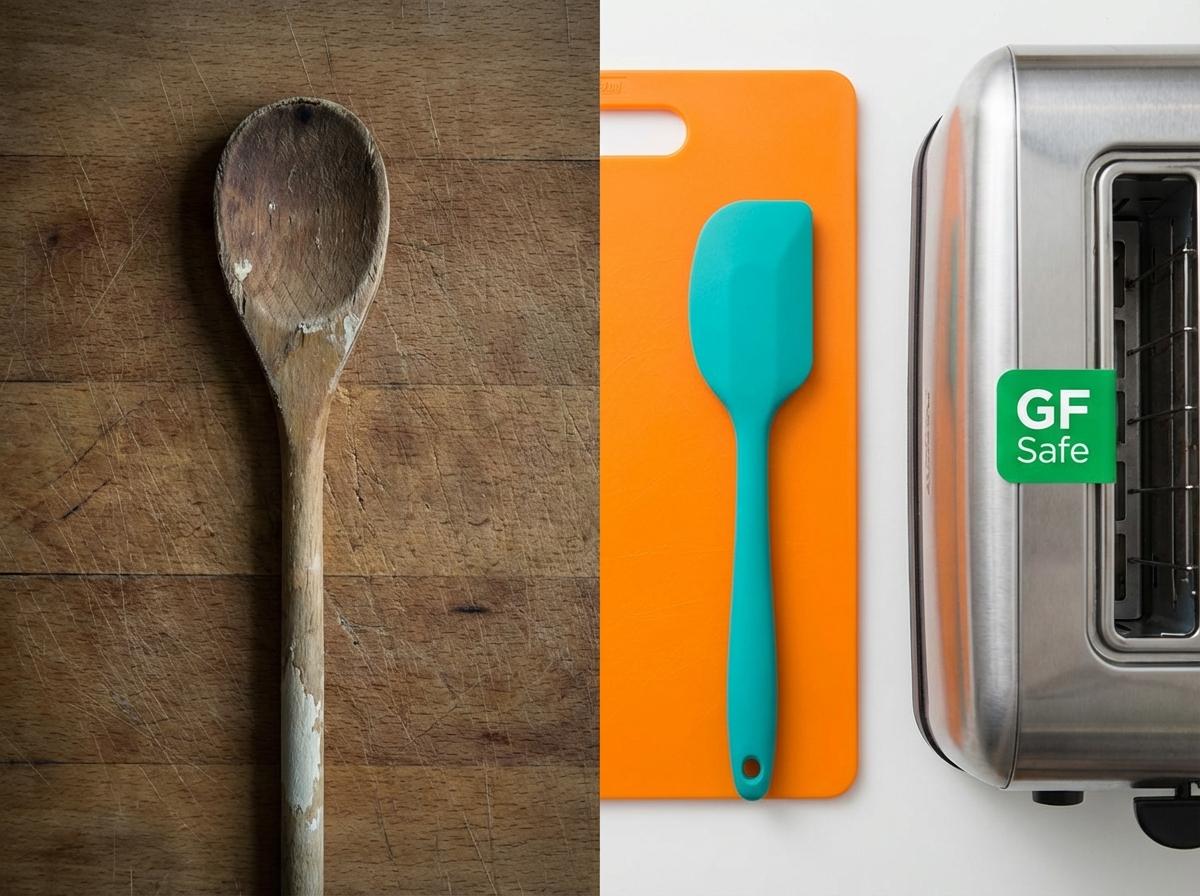
The most practical way to show love is to ensure safety. Cross-contamination is the biggest source of anxiety for new Celiac patients.
- Dedicate Zones: If you aren't going 100% gluten-free as a household, clearly label a "Gluten Zone" and a "Safe Zone."
- Replace the Porous: Wooden spoons, cutting boards, and scratched non-stick pans can harbor gluten. Treating your partner to a new set of "safe" tools is a wonderful "I'm with you in this" gift.
- The Toaster Rule: Buy a new toaster. Label it "GF Only." It’s a small investment for huge peace of mind.

Enjoying this article?
Subscribe for more articles like this one sent every Sunday morning so you can start your week right.
3. Rediscover the Science of Baking
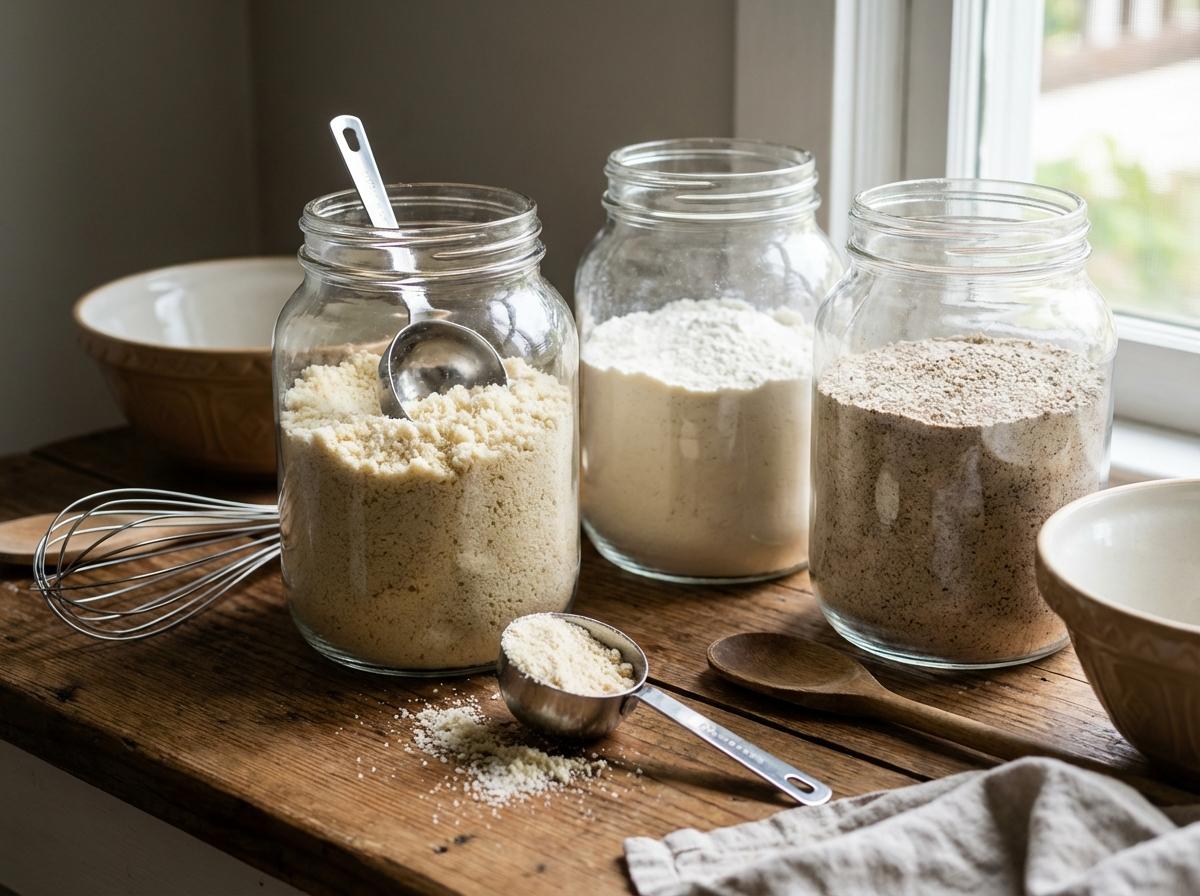
For the baker who thinks their hobby is over: It’s not. Gluten-free baking is less about "making do" and more about "learning a new science."
- New Ingredients: Instead of wheat, you get to play with almond flour, tapioca starch, sorghum, or psyllium husk.
- The Challenge: Frame it as a new culinary challenge. "How do we make the perfect GF pizza crust?" turns a restriction into a project you can tackle together.
- Start Simple: Don't start with croissants. Start with a flourless chocolate cake or almond flour cookies for recipes that are naturally gluten-free and inherently delicious.
4. Be the Gatekeeper (So They Don't Have To)
Decision fatigue is real. Every meal requires a risk assessment.
- Take the Lead: When planning a date night, you call the restaurant. You ask about the fryer and the soy sauce. Taking this mental load off your partner is one of the most romantic things you can do.
- Learn the Labels: Become an expert at reading ingredient labels. When you spot "barley malt" before they do, it shows you’re a true teammate.
Conclusion
A Celiac diagnosis changes the menu, but it doesn't have to change the joy you find in sharing a meal. With patience, a bit of kitchen reorganization, and a willingness to experiment, you can help your partner move from "surviving" the diagnosis to truly thriving in a gluten-free life.
And remember, Meadow Mentor is here to help with the heavy lifting of meal planning and ingredient scanning, so you can focus on the cooking, and each other.

About Reid Kimball
Founder & Builder
Reid has been navigating life with Crohn’s Disease for over 20 years. After discovering the transformative power of the Specific Carbohydrate Diet (SCD) and GAPS, he went from overwhelmed to thriving. He knows how heavy the mental load of meal planning can be. Reid built Meadow Mentor to be the "in-home chef" he wished he had when first diagnosed: a tool to help you navigate therapeutic diets with clarity, confidence, and joy.