
How to Dine Out on the SCD with IBD: A Survival Guide
August 4, 2025
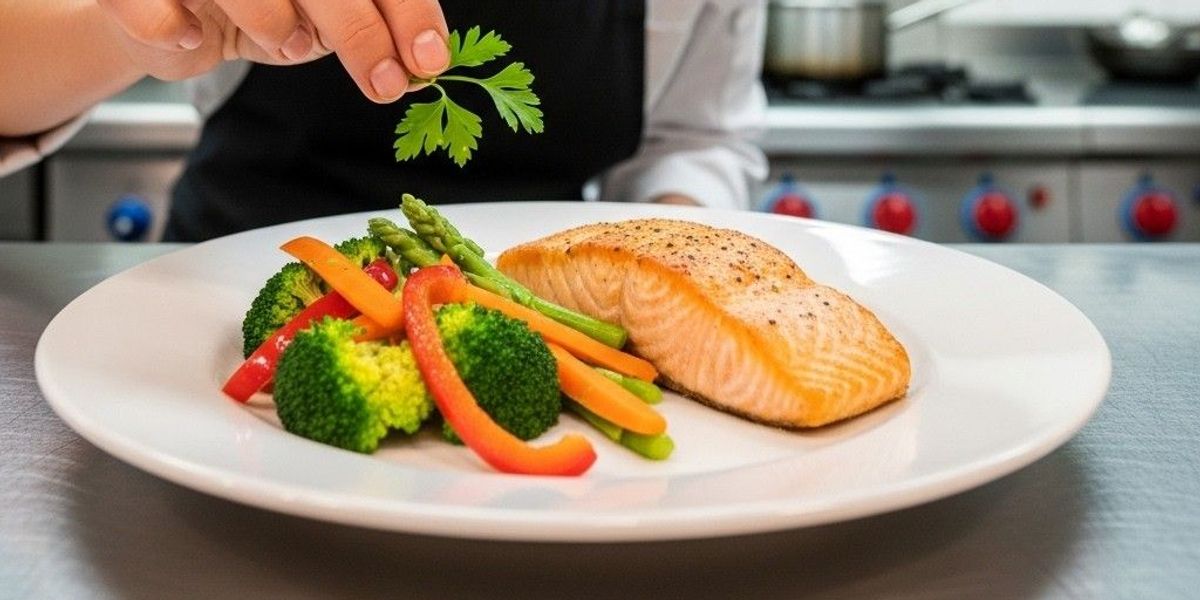
Why Restaurant Selection Matters
When you have IBD and follow SCD, what you eat directly impacts your gut health and symptom management. The SCD eliminates complex carbohydrates, grains, added sugars, and certain dairy products that can feed harmful gut bacteria and trigger inflammation. Finding restaurants that understand these needs and can prepare simple, whole-food meals is essential for maintaining your health while enjoying social dining experiences.
5 Restaurant Types Most Likely to Accommodate SCD
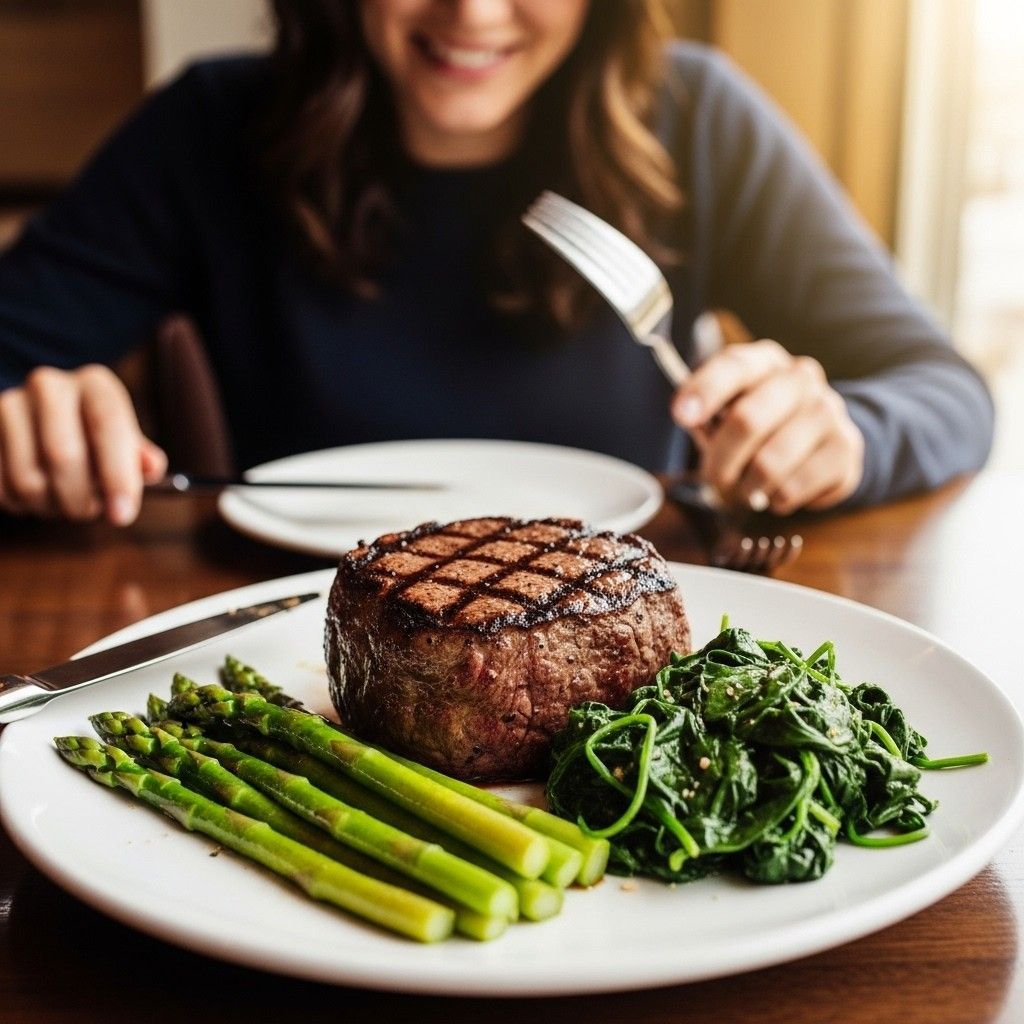
1. The Classic Steakhouse / Grill
Why it's good: These establishments specialize in cooking plain cuts of meat or fish with simple preparation methods. Their side dishes often include basic vegetables that can be prepared without prohibited ingredients.
How to order: Focus on grilled steak, chicken, or fish. Be specific with your server: "Can I have this grilled with just salt and pepper? No marinades, no rubs, no sauces added during cooking or on the plate." For sides, request plain steamed or sautéed non-starchy vegetables like broccoli, asparagus, or spinach. Confirm they can be cooked without butter (unless you can verify they use clarified butter/ghee, which is rare in restaurants) and without any sauces or seasonings that might contain sugar or starch. Absolutely avoid potatoes, rice, or bread.
2. Seafood Restaurants
Why it's good: Similar to steakhouses, seafood restaurants typically focus on the quality of the main ingredient (fish/shellfish) and often offer simple preparation methods like grilling or baking.
How to order: Look for grilled or baked fish or shrimp. Verify that it's prepared plainly with no marinades, breading, or sauces. Ask for plain steamed or sautéed vegetables on the side, checking for butter, oils, or sauces. Avoid anything fried, breaded, or served with creamy sauces or rice.
3. Upscale / Farm-to-Table Restaurants
Why it's good: These establishments often pride themselves on using fresh, whole ingredients. Their chefs are typically more knowledgeable and willing to accommodate specific dietary requests, as they're used to discussing ingredient sourcing and preparation methods.
How to order: This is an ideal place to have a conversation with your server or even the chef if needed. Explain you have strict dietary needs (mention no grains, no sugar, no starch, no lactose, simple preparation). Ask if they can prepare a piece of grilled or baked protein with a side of plain steamed or sautéed non-starchy vegetables, using minimal, permitted oil (like olive oil) and just salt and pepper. Their menu might list ingredients more clearly, making it easier to identify possibilities.

Enjoying this article?
Every Sunday get new blog articles, recipes, and tips from Chef Kay on how to thrive, one meal at a time.
4. Restaurants with Build-Your-Own Salads
Why it's good: These places give you control over adding only permitted ingredients to create a satisfying meal.
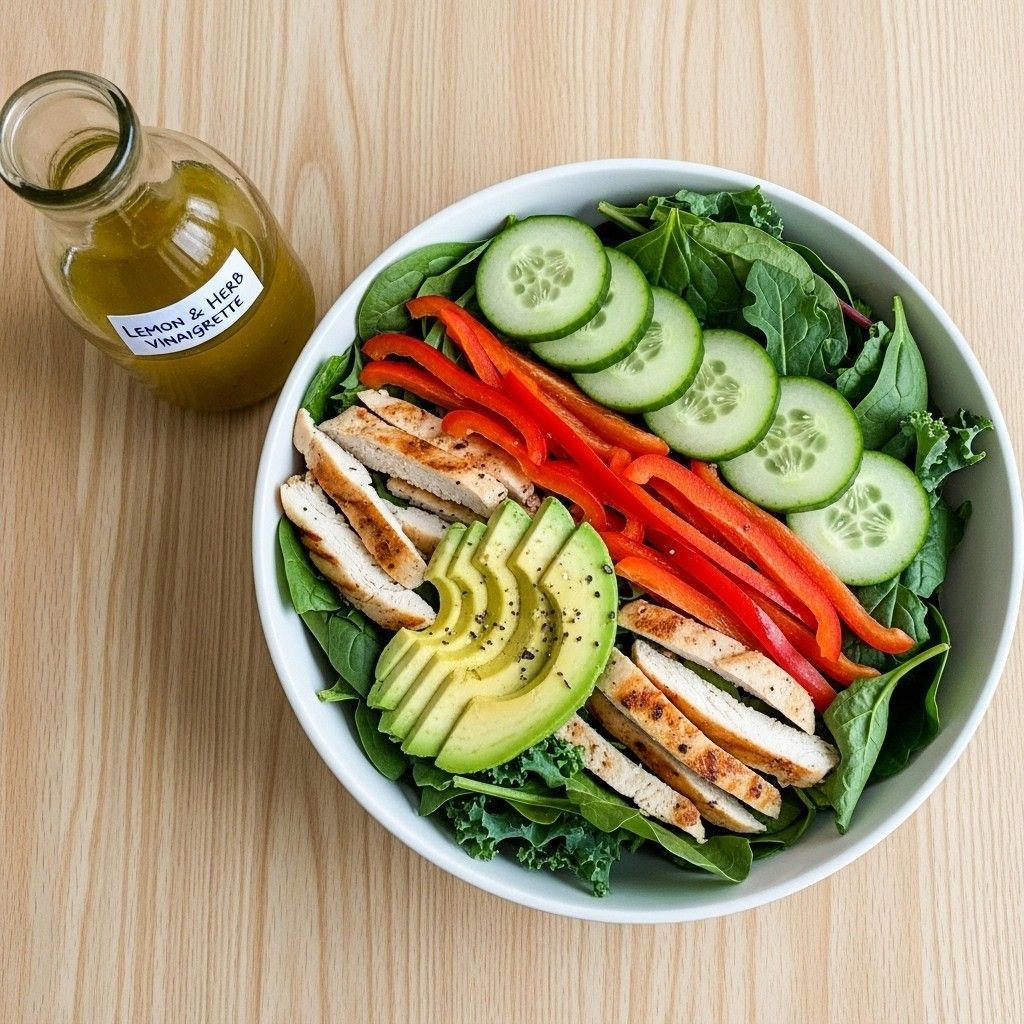
How to order: Start with a base of leafy greens (lettuce, spinach). Add non-starchy vegetables like cucumber, bell peppers, and carrots (in moderation). Include a plain grilled protein (chicken, steak, fish - verify it's cooked plain with no marinade/rub). Add avocado if available.
Crucially: You must skip all standard restaurant dressings as they typically contain sugar, starch, dairy, and prohibited oils. Ask for plain olive oil and vinegar if you can verify they are just that, or better yet, carry your own small bottle of SCD-legal dressing (like olive oil and lemon juice or vinegar). Avoid croutons, cheese (unless it's a hard aged cheese like Parmesan and you tolerate it), beans, starchy vegetables, and fruit unless it's one of the very ripe, permitted kinds.
5. Simple "American" Restaurants / Diners (Use with Caution)
Why it's good: They are ubiquitous and offer basic options like eggs or grilled burgers that can sometimes be modified to be SCD-compliant.
How to order: This requires vigilance. For breakfast, plain scrambled or fried eggs are often possible, but you must confirm they are cooked with no milk, cream, or pancake batter added (ask for oil or water). For other meals, a plain grilled burger patty (NO BUN, NO CHEESE) might work, but again, verify no fillers or marinades in the meat. Sides are the biggest challenge here – plain steamed vegetables are rarely a standard option, and other sides (fries, mashed potatoes, coleslaw, bread) are not SCD legal. This is usually best for a very plain egg dish or a last-resort plain burger patty if other options fail.
Most Important Eating Out Tips for SCD

Communicate Clearly
Tell your server you have a "severe dietary restriction" or "allergy" to make sure they take it seriously. List the main culprits: no grains, no sugar, no starch, no lactose.
Ask Specific Questions
"How is this cooked?" "What ingredients are in the sauce/marinade/rub?" "Is there any sugar, flour, or cornstarch?" Don't be afraid to ask detailed questions to ensure your meal is safe.
Keep it Simple
The plainer the dish, the safer it is. Grilled or baked protein + plain steamed or sautéed non-starchy vegetables is usually the most reliable option.
Look Ahead
If possible, check menus online before you go to a restaurant. Call ahead during non-peak hours to discuss your dietary needs if you're uncertain about accommodation.
Don't Be Afraid to Walk Out
If a restaurant can't confidently tell you they can prepare something safely, it's better to find somewhere else than risk a flare. Your health comes first.
Carry Safe Snacks
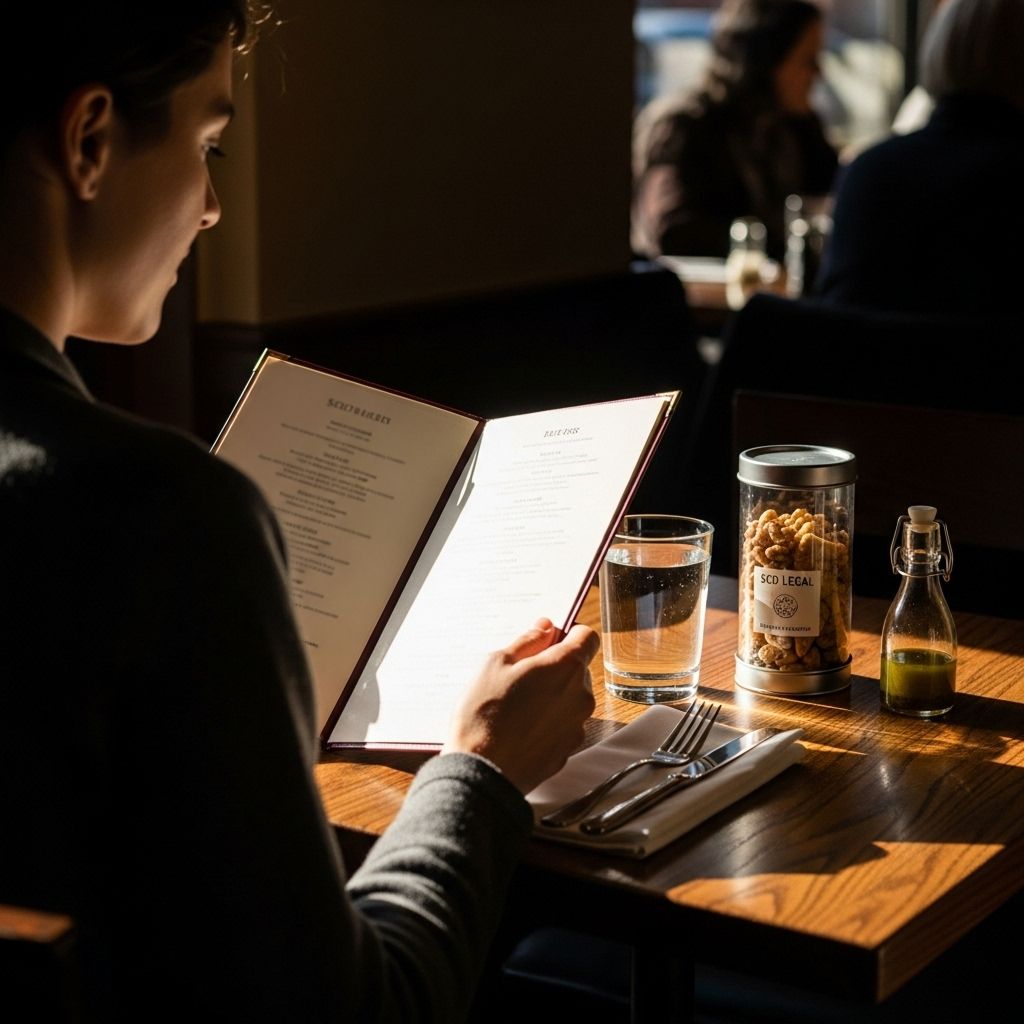
Always have some SCD-legal snacks on hand (like nuts or permitted fruit) in case you can't find a suitable meal or need to supplement a smaller restaurant portion.
How Meadow Mentor Can Help
Navigating restaurants while following SCD can feel overwhelming, but our app is designed to make this process easier:
- AI Meal Conversion: Not sure if a menu item can be made SCD-compliant? Our AI can help you identify potential modifications to suggest to your server.
- AI Q&A: Have questions about specific ingredients or preparation methods while at a restaurant? Get quick answers about what's allowed on SCD.
- Shopping Lists: Create lists of SCD-legal snacks to carry with you when dining out, ensuring you're never caught without options.
Sign up today for free, no credit card required.
Final Thoughts
Eating out with IBD while following the SCD requires being prepared and being your own advocate, but with these strategies, you can still enjoy dining experiences away from home. Remember that each successful restaurant experience builds your confidence and expands your options for the future.
Disclaimer: Always consult with your healthcare provider before making dietary changes. This guide is intended as general information and not as medical advice. Individual dietary needs may vary based on your specific health condition.

About Reid Kimball
Founder & Builder
Reid has been navigating life with Crohn’s Disease for over 20 years. After discovering the transformative power of the Specific Carbohydrate Diet (SCD) and GAPS, he went from overwhelmed to thriving. He knows how heavy the mental load of meal planning can be. Reid built Meadow Mentor to be the "in-home chef" he wished he had when first diagnosed: a tool to help you navigate therapeutic diets with clarity, confidence, and joy.